
01 / OPERATIONS
Helicopter Operator Advisory Group (HOAG)
Giving Europe's helicopter operators a direct voice in technical work and industry regulation.
Explore groupBringing together expertise from across Europe's rotorcraft community to shape the future of vertical flight.
EHA's committees and working groups are where members shape the Association's positions and carry them to regulators, institutions and partners. Each brings together specialists from across the European rotorcraft community to share expertise, build consensus and make sure the operational reality of helicopter flying informs the rules that govern it. Member organisations are welcome to nominate representatives to any group relevant to their activity.
Discover the teams working to advance helicopter operations, safety, sustainability, governance and communications across Europe.
Giving Europe's helicopter operators a direct voice in technical work and industry regulation.
Explore group →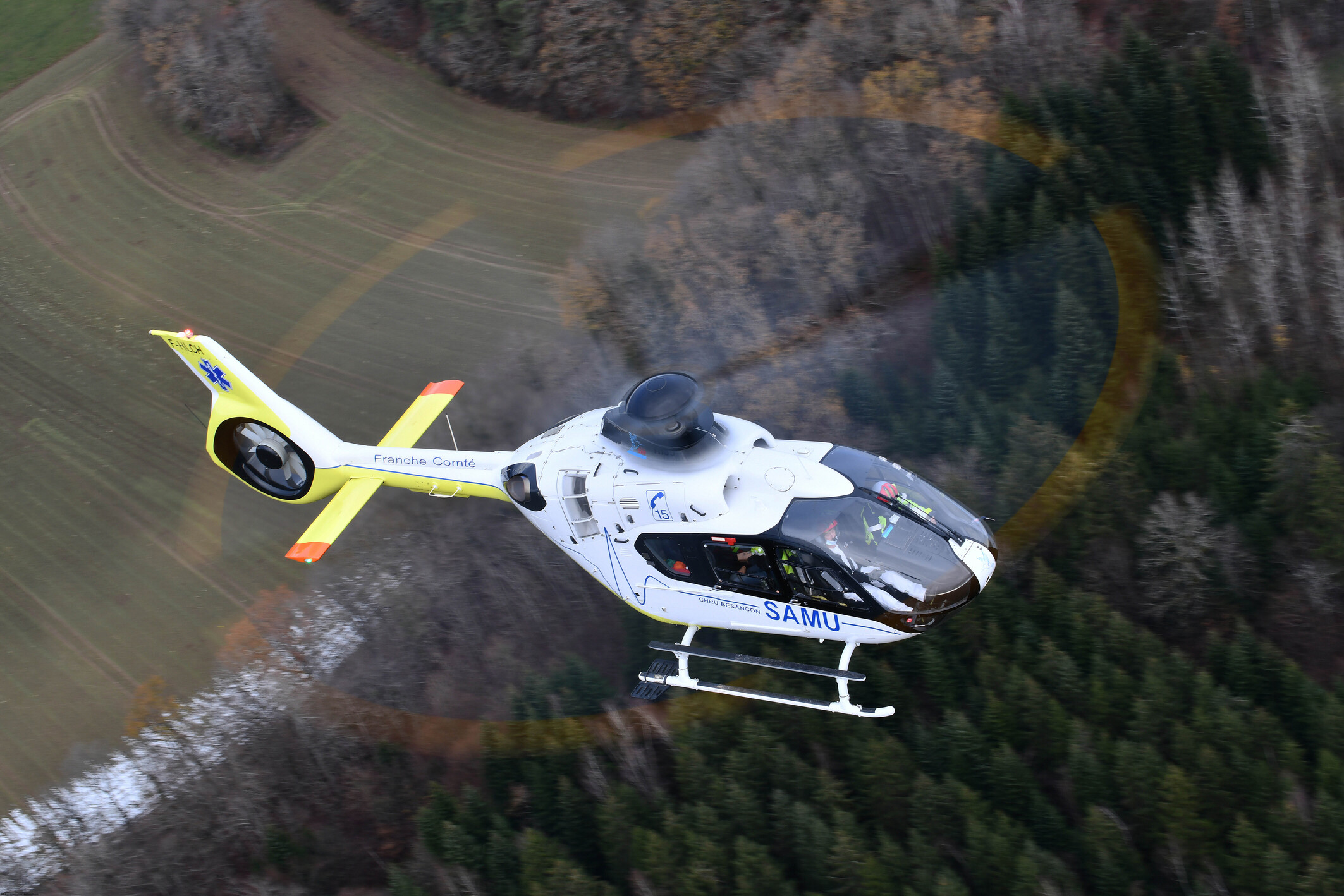
Sharing operational experience and improving the practical application of HEMS and SAR regulations.
Explore group →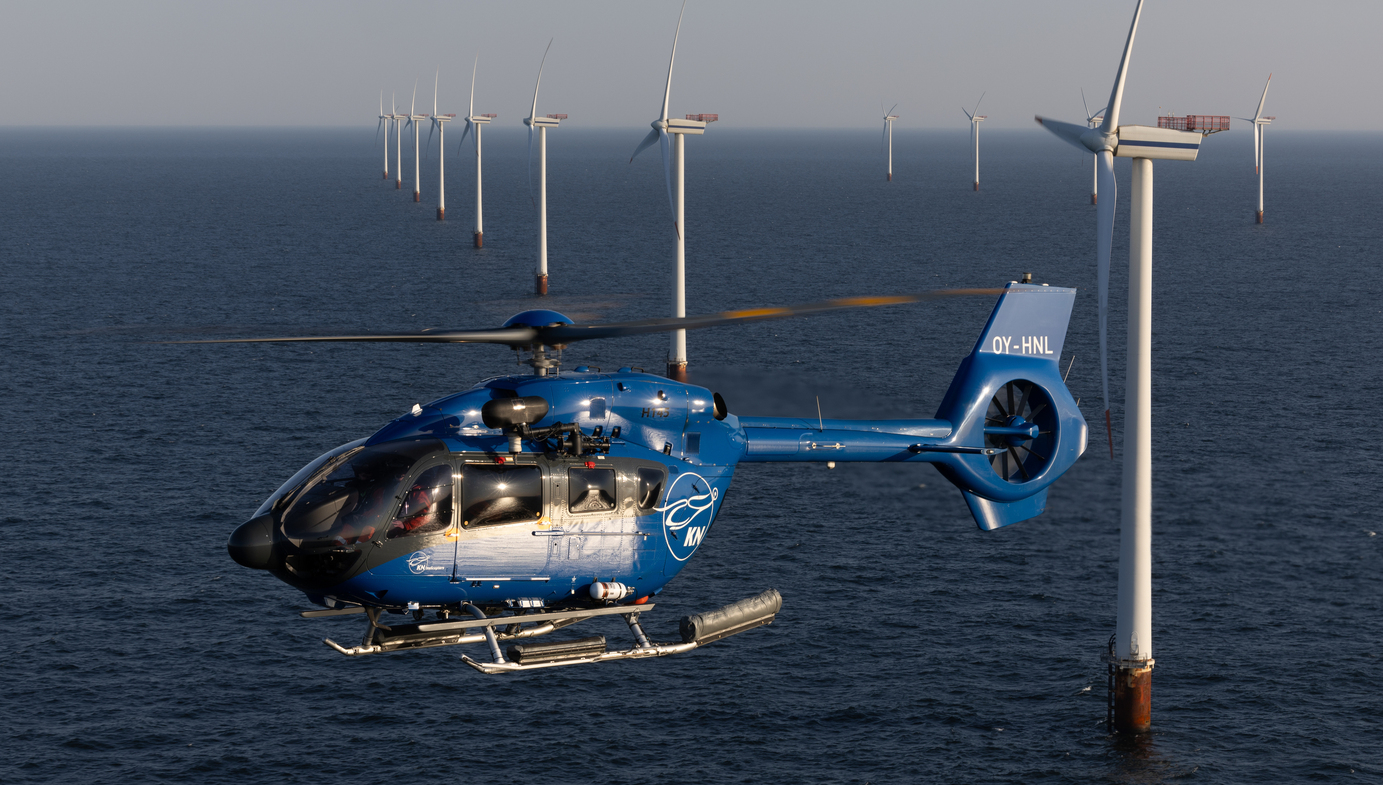
Promoting evidence-based sustainability frameworks suited to helicopter operations.
Explore group →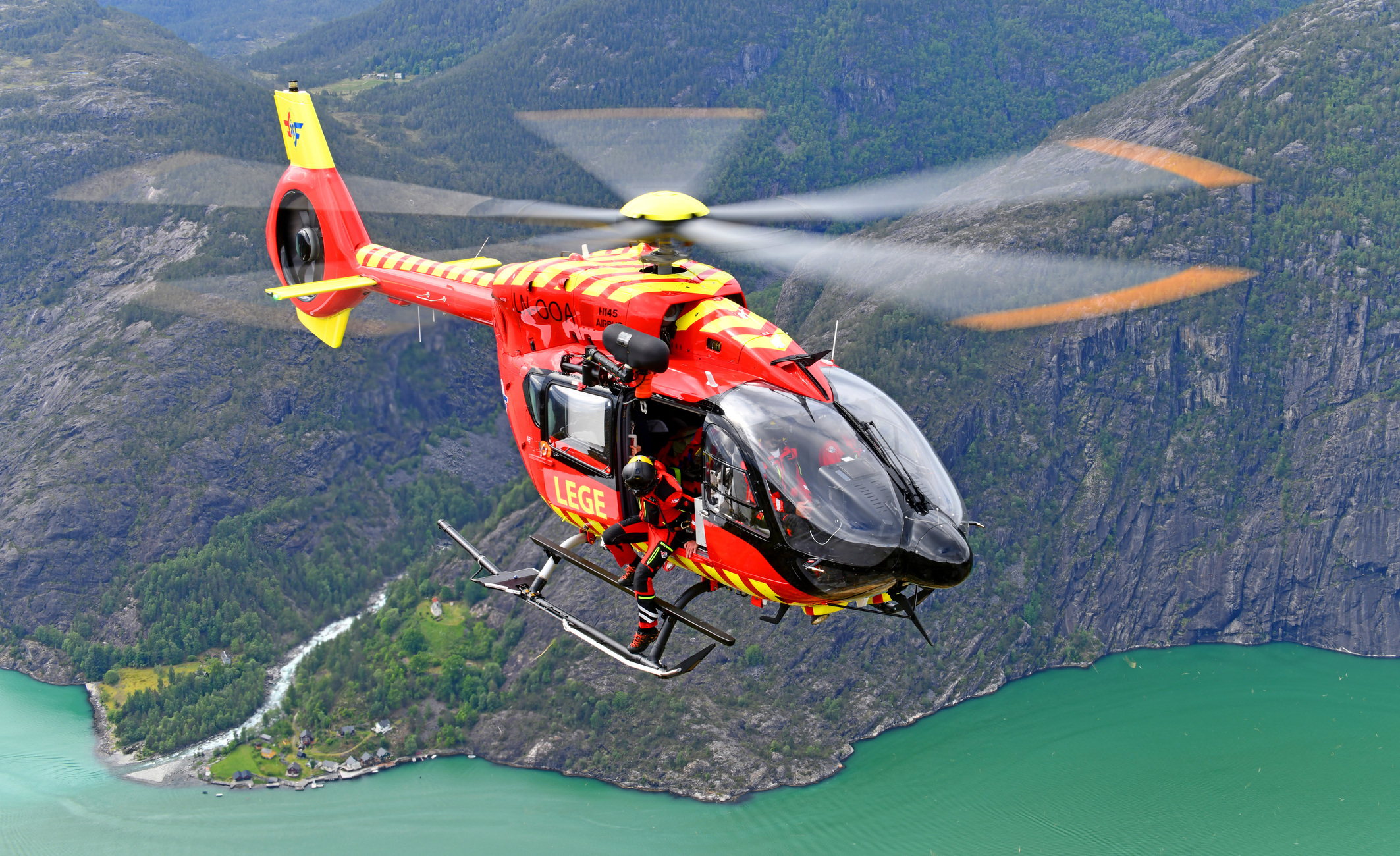
Supporting effective governance, membership structures and the relationship with EUROPEAN ROTORS.
Explore group →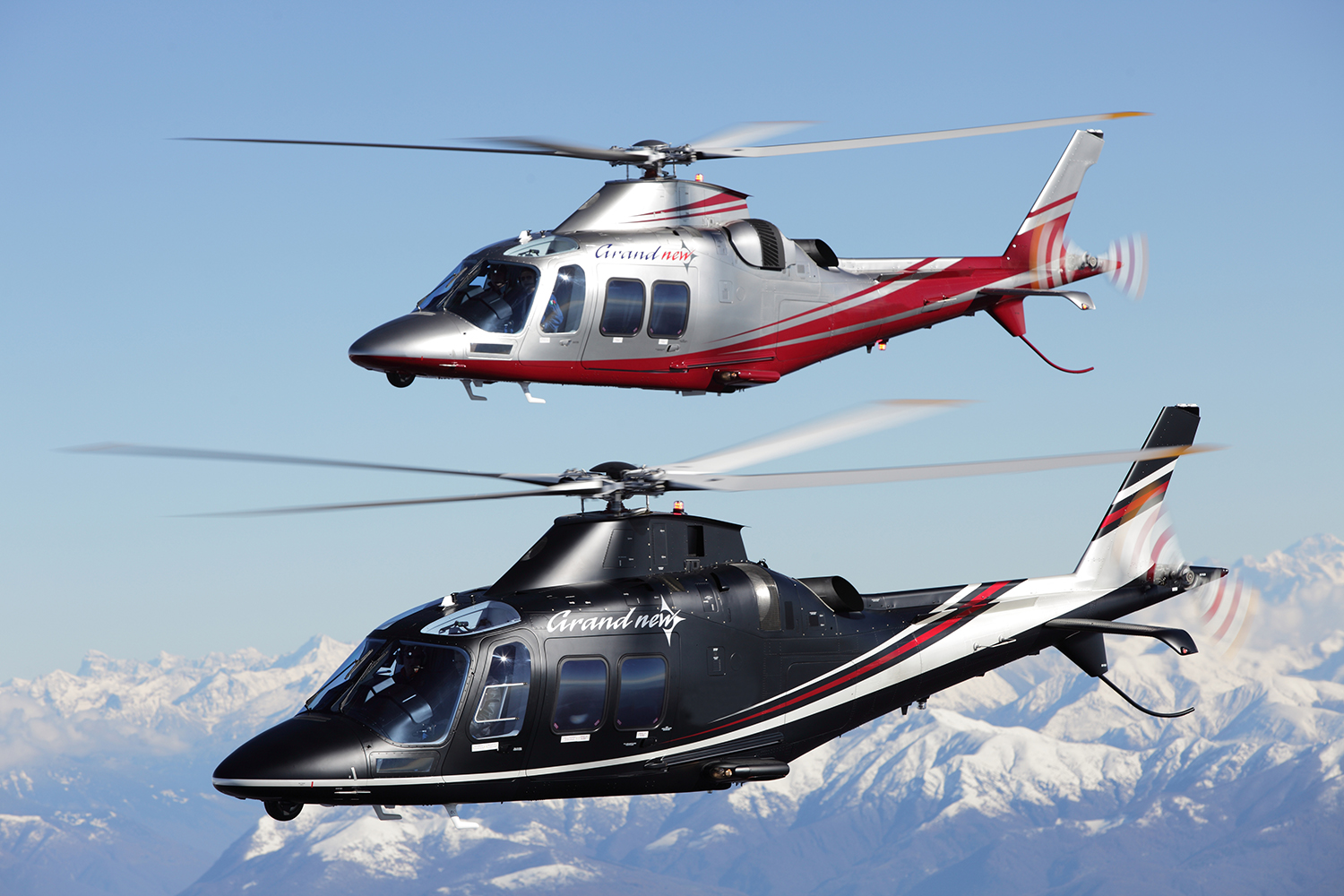
Coordinating communications and maintaining consistent messaging across the EHA network.
Explore group →Each group contributes specialist knowledge and practical experience to EHA's work.
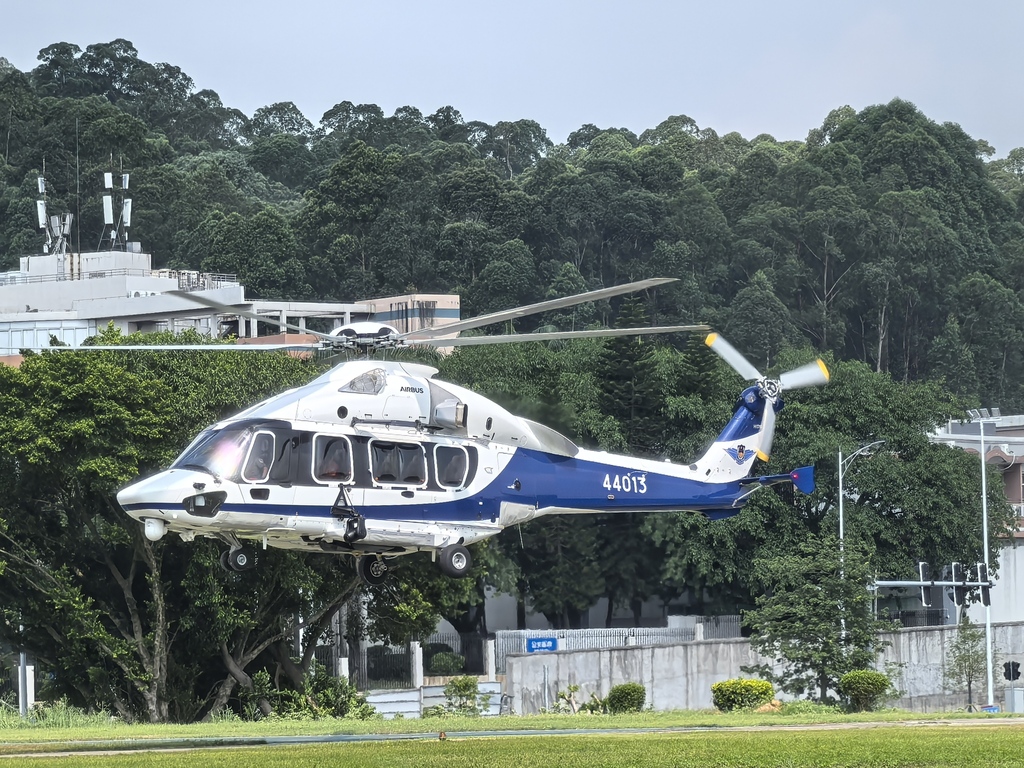
The Helicopter Operator Advisory Group gives Europe's helicopter operators a direct voice in how the industry is regulated. It represents the full breadth of operator perspectives within EHA – HEMS, aerial work, charter, training and private operations – and ensures those perspectives are heard in EHA's technical work and in European and international rulemaking.
HOAG acts as a sounding board for EHA's Technical & Safety Executive, the Technical Harmonisation Committee and the EHA Boards, providing consolidated operator feedback on technical and regulatory issues. It also identifies and prepares operator candidates to represent EHA in EASA working groups, ICAO forums and EHA's own working groups, so that operational experience is present wherever rules are discussed.
The group is made up of one delegate from each EHA operator member and is led by a Chair elected annually by the delegates. The Chair sits on the Technical Harmonisation Committee and represents the group in relevant EASA bodies. HOAG meets at least twice a year in hybrid format, including a face-to-face meeting around EUROPEAN ROTORS, and reports annually to the EHA General Assembly.
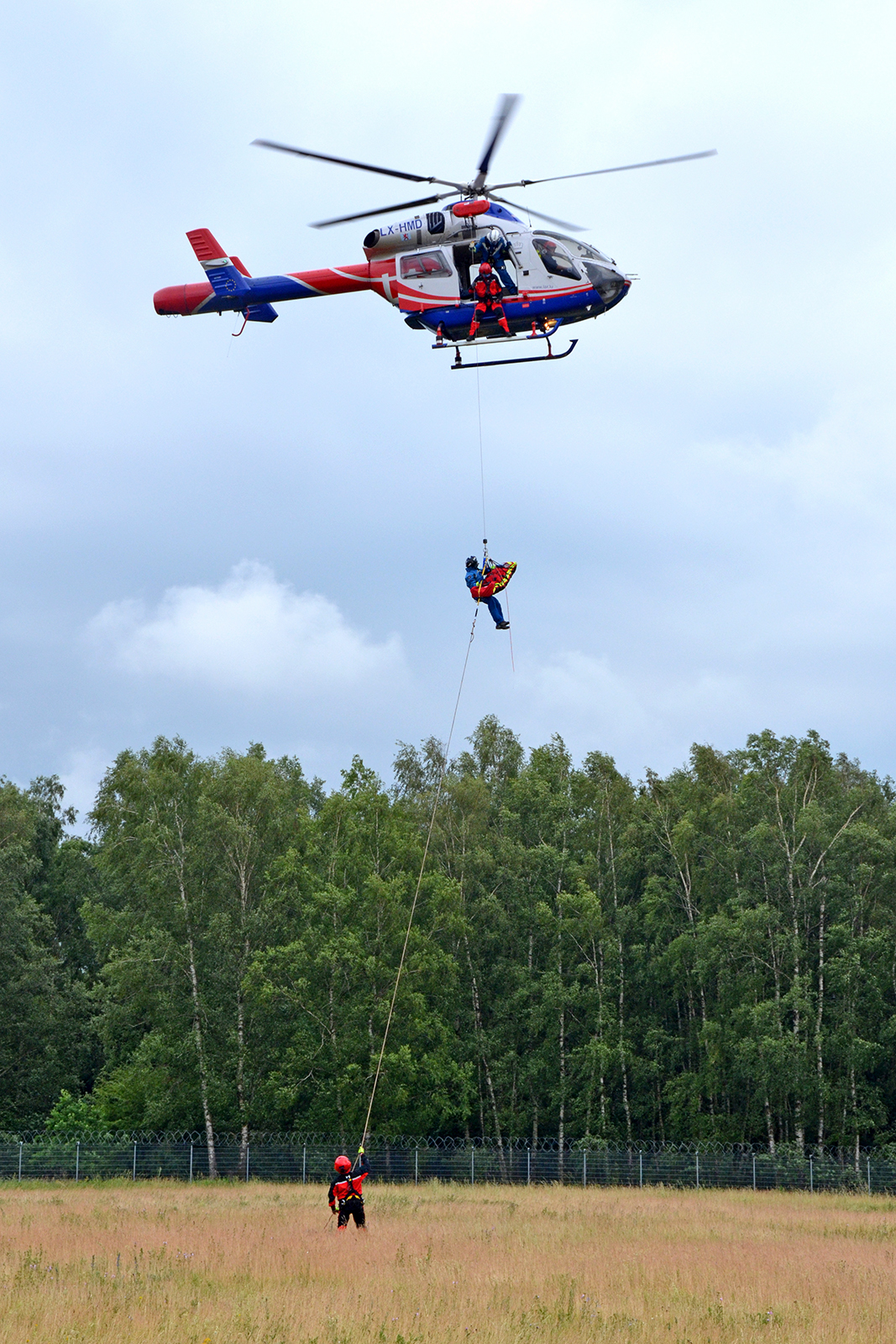
The HEMS Working Group brings together EHA members involved in Helicopter Emergency Medical Services and Search and Rescue operations. It is the forum where operators share experience, review safety and occurrence data, and work through the practical application of EASA and national regulations to HEMS and SAR flying.
Its core role is to build a consensus view among members and carry that view to regulators and government bodies. The group also proposes EHA's representatives to EASA working groups, rulemaking tasks and partner organisations' committees, so that the operational voice of HEMS is heard where rules are made.
The group meets at least three times a year, in person at member, EHA or regulator premises or online, and is chaired by an elected representative from an EHA HEMS operator, serving a two-year term. Membership is open to EHA full members operating HEMS; honorary and associate members may attend by invitation.
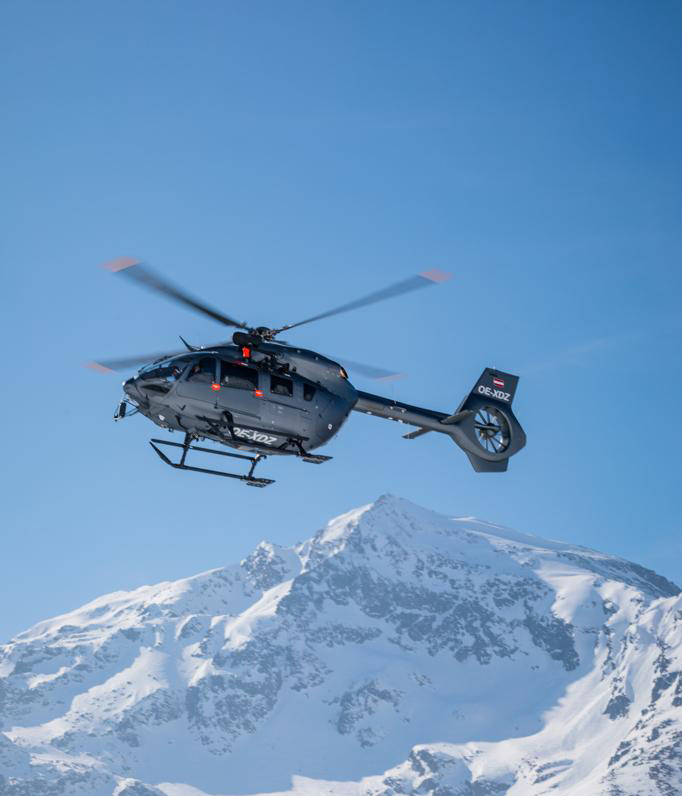
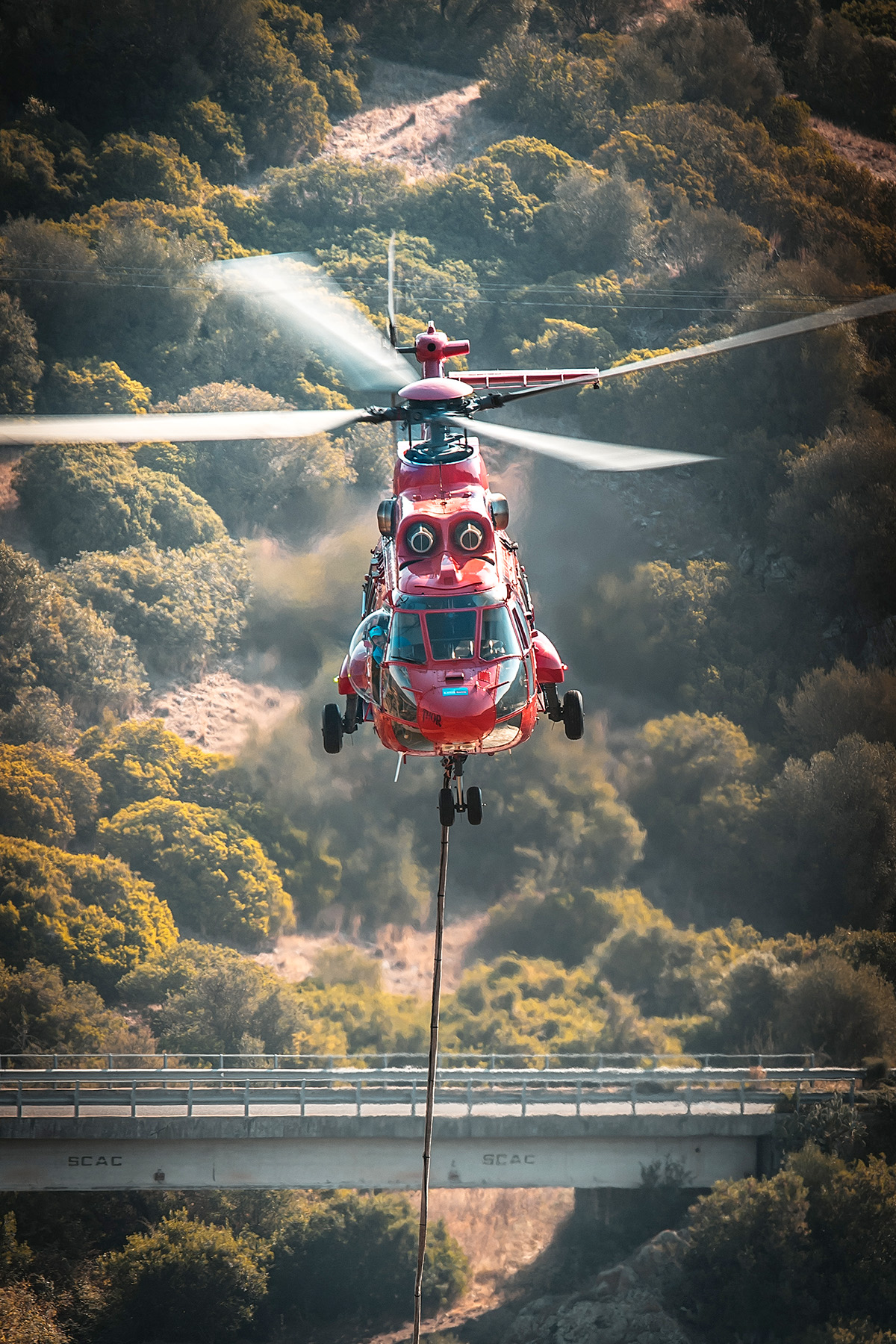
The Helicopter Sustainability Working Group makes the case for sustainability frameworks that fit the rotorcraft sector – frameworks that recognise both the operational constraints of helicopters and the societal value of the missions they fly, from emergency response to critical infrastructure.
The group's work rests on four pillars: quantifying the sector's social and environmental contribution through metrics that go beyond emissions data; bringing together OEMs, operators, asset owners and end-users to drive innovation; leading evidence-based research, including life-cycle analysis, mission-based emissions comparisons and assessment of emerging technologies; and advocating for policies tailored to how helicopters actually operate.
Its headline output is an annual white paper on the state of helicopter sustainability, presented each year at EUROPEAN ROTORS, alongside direct engagement with regulators and authorities on sustainability topics affecting the sector. The group also maintains an industry sustainability roadmap covering decarbonisation, SAF adoption and social and environmental KPIs.
Established in 2026 under EHA sponsorship with Airbus Helicopters and RIVE Private Investment as founding partners, the group meets monthly online and is led by a co-chair committee drawn from the three founding organisations. Participation is open to EHA members and, by arrangement, to external organisations active in helicopter sustainability.
The Governance Working Group is responsible for the structures that underpin the Association itself. Its remit covers EHA's governance framework, the relationship between the Association and the management of EUROPEAN ROTORS, and the membership system – categories, application process and fee structure.
The group's purpose is to ensure that EHA's organisation keeps pace with its growing role, that membership is accessible and clearly defined for every type of organisation in the vertical aviation community, and that the Association and its flagship event work together effectively. Its recommendations are submitted to the Board of Directors for approval.
The Communications Committee ensures that EHA speaks with one voice. It coordinates communications across the Association, its working groups and its partners so that messaging is coherent, consistent and aligned with EHA's strategy and priorities.
The committee's remit covers strategic communications planning, alignment of messaging across working groups and partner organisations, institutional and regulatory positioning, public relations and reputation management, and the sharing of communications best practice among member organisations. It supports the ongoing development of EHA's Communications Strategy and acts as the coordination point for any communications matter with cross-organisational impact.
The committee is made up of designated communications representatives from member organisations and is chaired by EHA's appointed Communications Expert. It reports to the Executive Board.
Member organisations are welcome to nominate representatives to any group relevant to their activity. Join the conversation and help shape the future of Europe's rotorcraft community.